We're still talking to robots
This post is about AI.
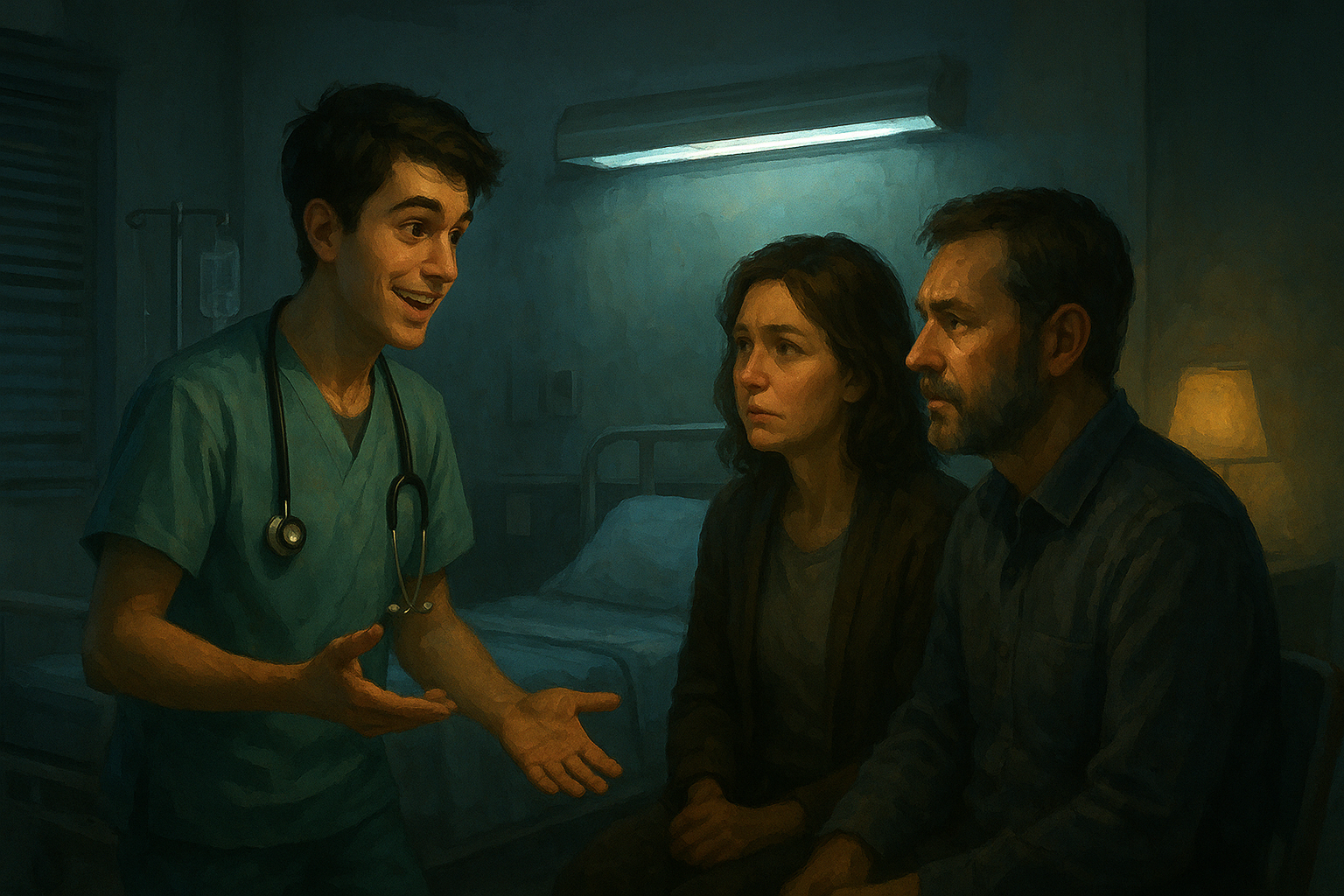
When my wife had to stay in the hospital for a week, the whole thing felt confusing. We had no clear diagnosis, just tests happening nonstop. The doctors weren’t doing anything wrong; they simply didn’t have enough to say anything out loud yet. That’s how that world works: stay cautious, stay professional.
By the way, nothing bad happened, but this post isn’t really about that.
But one night a nurse intern came in. He had probably heard the case, connected two ideas, and got excited. He said something like, “Oh, I’ve read about this, it really looks like X.” Super optimistic, almost proud of having solved the puzzle.
And to be fair, it was a pretty good guess. I’m sure that, to his colleagues, it looked like one of those baseline shots you take just to see what happens. One he shouldn’t have taken, but still.
We didn’t take it badly. If anything, he felt more human than everyone else that day. And nothing changed, because being surrounded by more experienced staff made that little spark fade fast. That’s part of the system, whether we like it or not. It’s a duality that has to exist. Not every system gives you an immediate answer; there are outliers, moments where lack of certainty becomes a strength, and others where it works against you. That’s the organic chaos we move through.
I’ve been thinking about that because I keep seeing posts on “how to talk to AI,” while people say AI is already close to human on certain things, sometimes even more efficient. And yes, AI is incredibly useful and I use it daily. And still, there’s this simple thing that keeps bothering me: it almost never says “I don’t know,” and it never stays quiet.
I get it. That doesn’t sell. An AI that can’t keep the conversation going or that shows uncertainty isn’t exactly marketable.
But “I don’t know” is a powerful answer. It keeps the conversation open and makes others want to help. It creates a pause instead of pretending something is already solved. And even if it feels inconvenient in the moment, that pause matters.
That’s the whole point.